Grillo Slide
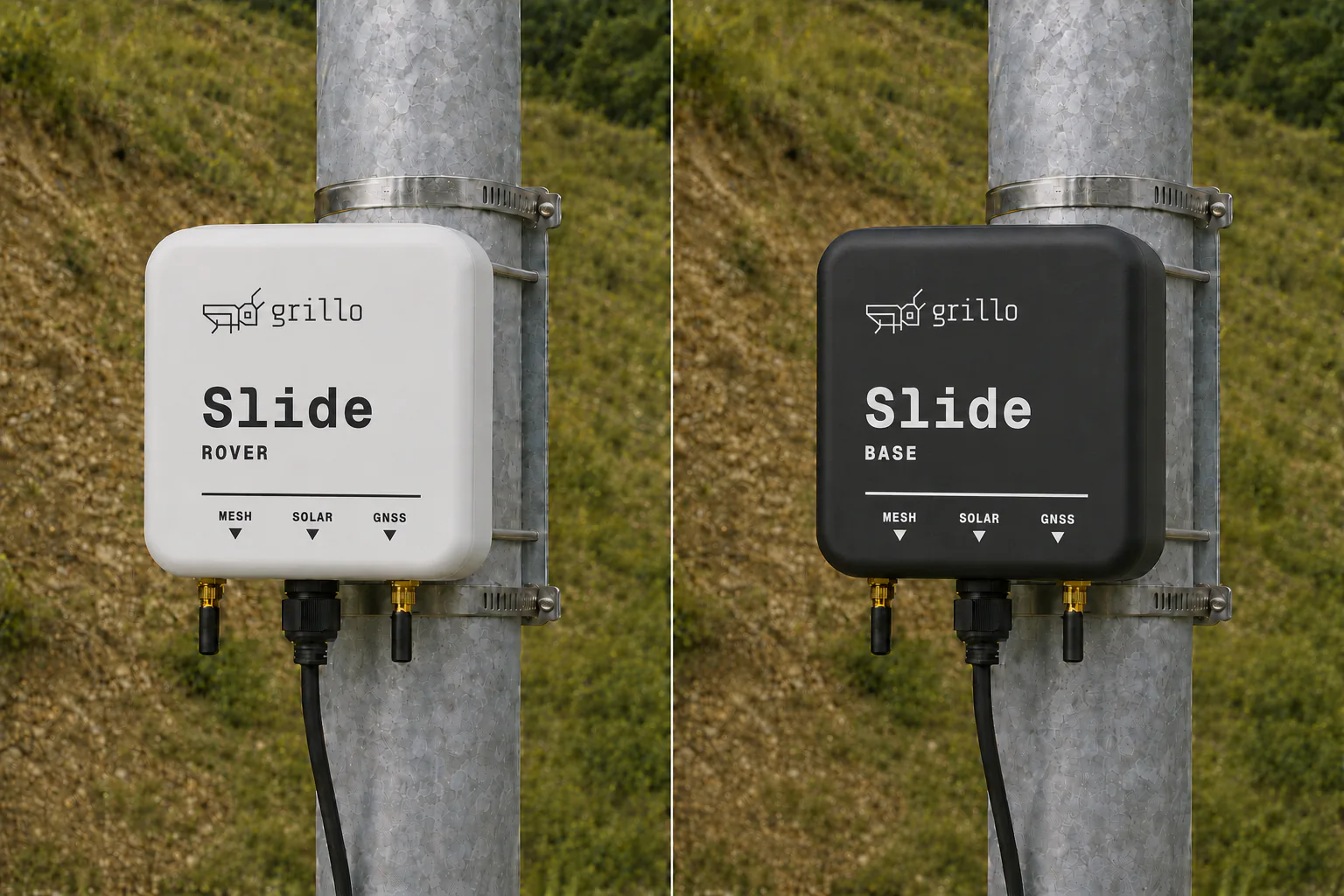
Slide packages proven intermittent-monitoring principles into a smaller, lower-cost base-to-many RTK network, with shared backhaul and integrated solar power. Install it on the slope and leave it: each device wakes on schedule, fixes its position, reports, and returns to sleep.
$999
Per base or rover device. A network needs one base and at least one rover.
- Unattended by design — wakes, measures, reports, sleeps
- Quad-band RTK GNSS for centimetre-level positioning
- Base-to-many: one base serves a network of rovers
- Shared cellular backhaul across the network
- Integrated solar power, no external power system
- Compact displacement records or optional raw GNSS observations
How it works
A monitoring network that fits the slope
Start with two devices, then add rovers wherever movement matters. Adding a point means adding a rover, not a second system.
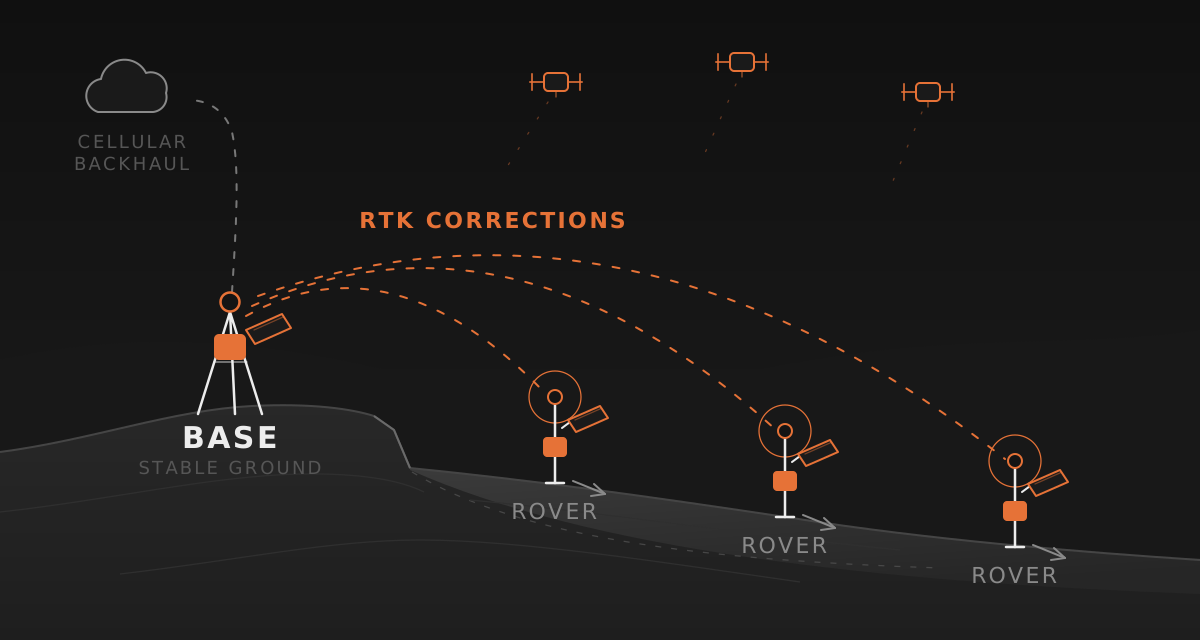
Place the base on stable ground
The base establishes the reference position and sends carrier-phase corrections to the rover network.
Install rovers on the monitored area
Each rover calculates its RTK position relative to the base, so changes can be tracked over time.
Use compact or raw data
Backhaul displacement and health records for routine monitoring, or raw base and rover observations for research and post-processing.
Straightforward network pricing
$999 for each base or rover device
A working network requires one base and at least one rover. Contact us for antennas, solar, mounting, connectivity, and service options.
Built for displacement monitoring in the field
Precision GNSS, remote power, communications, and open data in one compact platform.
Built to be left in place
Survey-grade receivers are built for a working day in an operator's hands; leaving one on a slope permanently means adding an external power system, an enclosure and a mount. Slide starts from the opposite premise, with integrated solar power and onboard battery management sized for intermittent measurement rather than continuous survey.
Quad-band RTK GNSS
A quad-band receiver tracks L1, L2, L5 and E6. The extra frequencies help hold a fix under canopy and in the multipath-heavy terrain where slopes are usually monitored, giving RTK fixed solutions to 0.8 cm + 1 ppm horizontally and 1.5 cm + 1 ppm vertically. RTK converges in about five seconds, so each scheduled wake-up is short and the battery lasts.
Base-to-many architecture
One base on stable ground serves a network of rovers over a direct radio link. Adding a measurement point means adding a rover, not a second complete system, so a whole slope can be instrumented rather than a few representative points.
Shared cellular backhaul
An LTE modem is fitted to every unit, and the network reports through a shared cellular link rather than a separate connection per instrument. Measurements and device health return on their own, with no manual collection.
Raw observations when you need them
Send compact displacement records for routine monitoring, or capture optional raw base and rover GNSS observations for research, validation, post-processing and method development — without adding a separate field recorder.
Proven principles, smaller and cheaper
Intermittent, unattended monitoring is established practice in geotechnical work. Slide packages it into hardware affordable enough to leave on site in numbers, and outputs that suit both operational teams and research users.
For operational teams and researchers
The result—or the observations behind it
Most deployments need a dependable time series of position, displacement, RTK quality, battery, and connectivity. Grillo Slide is designed to keep that routine output compact and practical over cellular links.
When your work requires independent processing, method development, or deeper quality control, optional raw GNSS mode captures compatible, time-aligned observations from the base and rover. That gives research users access to the measurements behind the RTK solution.
Choose the data product
- Compact monitoring records
- Position, east/north/up displacement, uncertainty and fix quality, timestamp, battery, signal, and device health.
- Raw GNSS observations
- Coordinated base and rover observation windows with receiver, timing, and reference-position metadata for post-processing.
Grillo Slide specifications
Detailed technical information about this product
System
- Deployment
- One stable base serving many monitoring rovers
- Operation
- Unattended; scheduled measurement with no external power system
GNSS
- Receiver
- Quad-band RTK GNSS receiver
- Constellations
- GPS, GLONASS, Galileo, BeiDou, QZSS, NavIC, SBAS
- Signals
- GPS L1 C/A, L1C, L2C, L5; GLONASS L1, L2; Galileo E1, E5a, E5b, E6; BeiDou B1I, B1C, B2I, B2a, B2b, B3I; QZSS L1 C/A, L1C, L2C, L5; NavIC L5
- Tracking channels
- 1040
- RTK accuracy (horizontal)
- 0.8 cm + 1 ppm
- RTK accuracy (vertical)
- 1.5 cm + 1 ppm
- RTK convergence
- About 5 s
- Time to first fix
- 1 s hot start; 28 s cold start
Data
- Routine output
- Timestamped position, displacement, fix quality, and device health
- Optional output
- Raw, time-aligned base and rover GNSS observations
Connectivity
- Local link
- Direct low-power radio link carrying RTK corrections and measurements between base and rovers
- Backhaul
- Shared cellular backhaul; LTE Cat-1 modem fitted to every unit
Power
- Solar input
- 6 V nominal
- Battery
- 18650 lithium-ion cell, charged onboard from solar
- Power strategy
- Scheduled measurements with deep sleep between fixes
Sensors
- Motion sensor
- MEMS accelerometer with wake-on-motion support
Real-World Application
See how our technology is making a difference
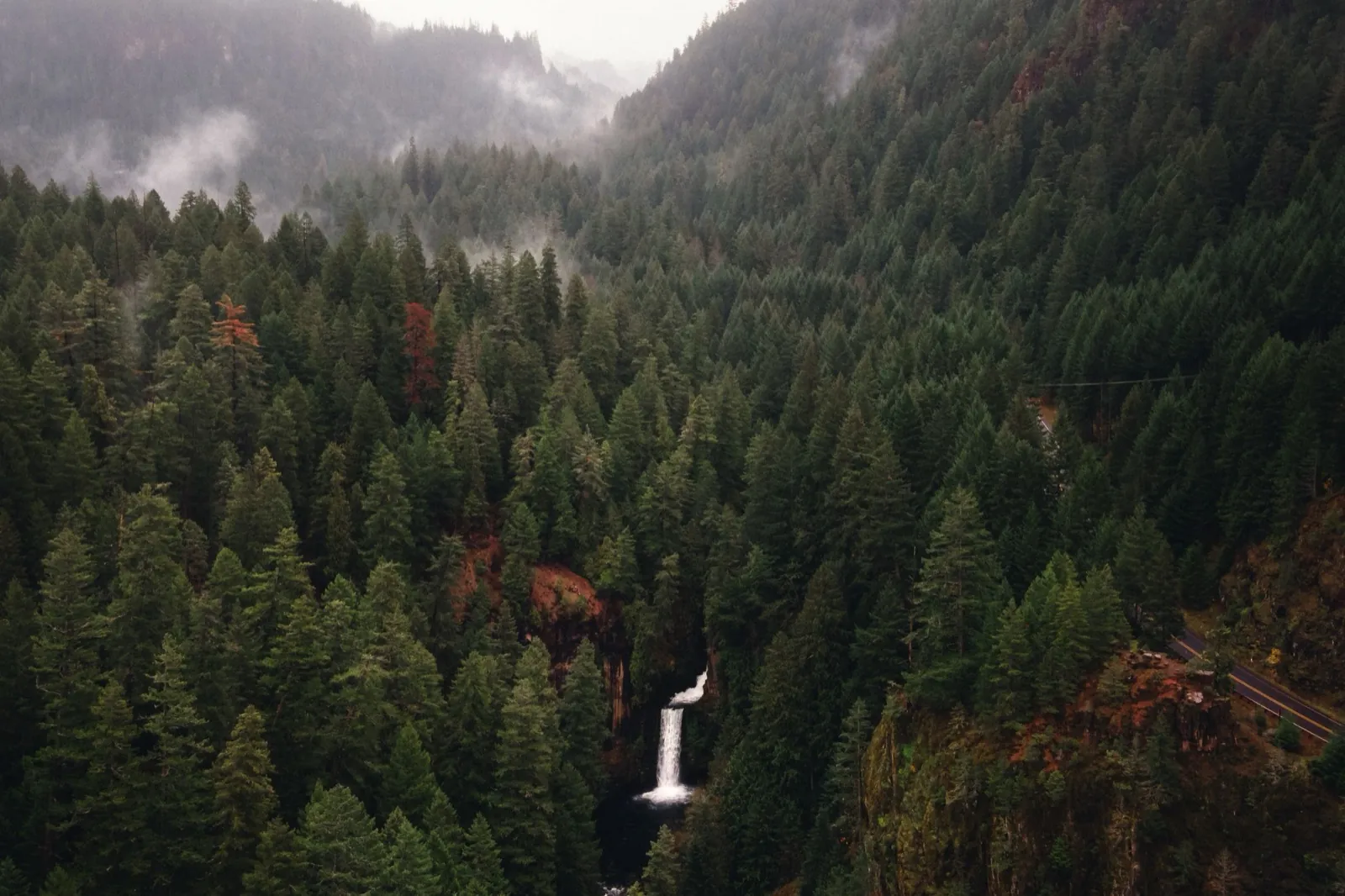
Oregon State University pilot programme
Oregon State University is running a pilot programme with Grillo Slide for unattended landslide monitoring. Support for both compact displacement records and raw GNSS observations suits the system to applied monitoring and to deeper scientific analysis.
Where do you need to measure movement?
Tell us about the terrain, network size, cellular coverage, and measurement goals. We’ll help you plan a Grillo Slide deployment.